Why Professional Heating Installation Matters for Comfort and Energy Savings
A heating system has one job that really matters when winter settles in, and that is simple: keep the house comfortable without draining your bank account. The catch is that comfort and efficiency do not come from the equipment alone. They come from the way that equipment is selected, sized, installed, tested, and adjusted. That is why professional Heating Installation matters so much.
A lot of homeowners spend weeks comparing furnace brands, efficiency ratings, and thermostat features, then treat the actual installation like a formality. In real life, the install is where the result is made or lost. I have seen top-tier systems perform like budget leftovers because the setup was rushed. I have also seen modest, well-installed systems deliver steady heat, lower utility bills, and far fewer headaches over the years.
If your goal is real comfort, quiet operation, better airflow, and sensible energy use, professional work is not a luxury. It is the difference between a heating system that fights your home and one that fits it.
The furnace is only part of the equation
People naturally focus on the box in the basement, attic, garage, or utility closet. It makes sense. That furnace is the visible centerpiece of the system. But heating performance depends on a chain of parts working together: ductwork, venting, gas connections, airflow, return sizing, thermostat setup, electrical controls, filtration, drainage in high-efficiency units, and safety testing.
A furnace can be rated at 95 percent or more AFUE and still waste energy if the airflow is wrong. It can short cycle if it is oversized. It can run too long and struggle on the coldest mornings if it is undersized. It can create hot and cold spots if the supply and return system is unbalanced. It can even become noisy enough to wake light sleepers if the duct transitions are sloppy or static pressure is too high.
This is where professional Furnace Installation stands apart. An experienced installer is not just swapping one unit for another. They are looking at the house as a system. They are asking how heat moves through the structure, where losses occur, whether the ductwork can support the new equipment, and how to tune everything so the furnace runs the way it was designed to run.
Comfort problems often start with bad installation
When homeowners describe heating complaints, they usually say something like this: the back bedrooms stay cold, the living room gets too hot, the furnace turns on and off constantly, or the upstairs never feels right. Those are comfort problems, but they often trace back to installation choices.
One house I remember had a brand-new furnace installed by a low-bid crew. On paper, the unit looked great. In practice, the system blasted heat for a few minutes, shut off, then repeated the same cycle all evening. The family thought they had bought a lemon. What actually happened was familiar: the furnace was too large for the home, the blower settings were never properly adjusted, and the return air setup was undersized. The system heated the area around the thermostat too quickly, satisfied the call for heat, and shut down before the rest of the house caught up.
After correcting the setup and addressing airflow issues, the difference was immediate. Rooms evened out. Noise dropped. Fuel use improved. The equipment had not changed, but the installation quality had.
That is the thing many people miss. Comfort is not just about producing heat. It is about delivering that heat consistently and evenly. Professional Heating Services take that full picture seriously.
Sizing is not guesswork, at least it should not be
A lot of heating problems begin with a shortcut: replacing the old furnace with the same size unit because "that is what was there before." That approach sounds practical, but it can be badly wrong. Homes change over time. Windows get upgraded. Attics get more insulation. Additions are built. Air sealing improves. Sometimes the original system was oversized from day one.
Proper sizing should be based on the home's heat loss characteristics, not on habit. Professionals use recognized load calculation methods to estimate how much heating capacity the house actually needs. The exact number can vary depending on climate, insulation levels, square footage, ceiling height, window performance, and air leakage, but the point is the same: the system should match the house.
Oversized furnaces are especially common, and they create a surprising number of issues. They often short cycle, which means they start and stop too frequently. That hurts efficiency, creates temperature swings, and puts extra wear on components. Undersized units can be a problem too, though less often in replacement jobs. They may run for long stretches and still struggle during colder weather.
Professional Furnace Services should include a sizing discussion, not just a sales pitch around efficiency percentages and brand labels. If no one is talking about load calculations, duct capacity, and airflow, that is a red flag.
Energy savings come from the install, not just the label
Efficiency ratings matter, but they only tell you how the equipment performs under proper conditions. If the system is not installed and commissioned correctly, those ratings do not mean much in daily use.
Think about a high-efficiency condensing furnace. It relies on accurate venting, condensate drainage, proper gas pressure, and correct airflow to operate as intended. If the venting is poorly laid out, if the drain line is not pitched correctly, or if the blower is not set for the right temperature rise, performance suffers. In some cases, the furnace may lock out, run less efficiently, or wear out sooner than it should.
Even small errors have a cost. A leaky duct connection in an unconditioned space can spill heated air where you do not need it. Poorly sealed returns can pull in cold or dirty air from crawl spaces or basements. Incorrect thermostat placement can cause the furnace to cycle based on the wrong room conditions. Over time, those issues show up on monthly gas or electric bills.
Homeowners often ask what kind of savings they can expect from a new system. The honest answer is that it depends. If you are replacing a very old furnace, especially one with a low efficiency rating and visible wear, the improvement can be meaningful. But the bigger truth is this: the best chance of seeing those savings comes from quality installation and setup. Without that, you are paying for potential rather than results.
Safety is one of the biggest reasons to hire a pro
Comfort and energy use get most of the attention, but safety is every bit as important. Heating equipment involves combustion, fuel lines, exhaust gases, electrical connections, and in many cases high temperatures in tight spaces. This is not a forgiving area for sloppy work.
A proper installation includes checking for gas leaks, confirming correct venting, verifying combustion performance where appropriate, and making sure safety controls operate correctly. That includes things like limit switches, pressure switches, flame sensors, ignition systems, and shutoff behavior. It also includes confirming clearances and making sure the furnace has the combustion air and airflow it needs.
Carbon monoxide concerns are not theoretical. Problems with venting, heat exchangers, or combustion setup can create serious hazards. An experienced technician treats that risk with the respect it deserves. Good Heating Services are not just about getting the unit to turn on. They are about making sure it operates safely in normal conditions and under stress.
This matters during both new installs and Furnace Replacement work. Replacing an old unit is not simply a matter of reconnecting the same lines and walking away. Codes change. Venting requirements change. Compatibility issues come up. A professional knows what must be updated to protect both the equipment and the people living in the house.
Ductwork decides more than most people realize
If the furnace is the heart of the system, the ductwork is the circulatory system. You can install a great furnace, but if the ducts are too small, poorly sealed, badly designed, or full of sharp restrictions, comfort will suffer.
This is where professional judgment really shows. In many homes, the existing ducts are not ideal, but a good installer can still improve performance with targeted fixes. That might mean sealing major leakage points, correcting a restrictive transition, adjusting dampers, improving return air, or resizing a key section. Sometimes more substantial duct renovation is needed, especially in older homes or additions.
I have seen homeowners replace the furnace when the real villain was duct design. They were Furnace repair told they needed a stronger unit because the house felt cold. What they actually needed was better air distribution. More furnace was just covering for bad delivery.
A solid installer will tell you when the ducts are helping or hurting the project. That honesty can save a lot of money and frustration. It is also one reason professional Furnace Services often produce better real-world results than bargain installs that ignore everything beyond the equipment cabinet.
A cheap install usually gets expensive later
There is a reason low-price installation offers can look so tempting. Heating systems are a major purchase, and most homeowners are balancing comfort needs against a real budget. The problem is that the cheapest bid often leaves out the parts of the job that matter most.
Corners get cut in predictable ways. Load calculations are skipped. Duct issues are ignored. Start-up testing is minimal. Blower settings are left at factory defaults. Venting is reused without enough scrutiny. Permits may be avoided. The job gets done fast, and it may even seem fine for a while.
Then the callbacks start. Rooms feel uneven. The utility bill is higher than expected. The furnace gets noisy. The igniter fails early. The filter whistles. A limit switch trips because airflow is poor. The unit starts needing frequent Furnace repair. At that point, the money "saved" on installation is being spent in pieces, often with more stress attached.
A better installation does not always mean the most expensive option, but it does mean paying for competence. There is a difference between cost and value, and heating systems make that difference obvious over time.
What professional installation usually includes
The exact scope varies by house and system, but quality work tends to cover the same essential ground.
- Evaluating the home's heating load and confirming proper equipment size
- Inspecting ductwork, airflow, venting, and electrical or gas requirements
- Installing and connecting the system to meet code and manufacturer specifications
- Testing operation, temperature rise, airflow, safety controls, and thermostat function
- Explaining maintenance needs, filter changes, and what to watch for after startup
None of that is glamorous, which is probably why it gets overlooked in marketing. But those steps are where comfort, efficiency, and reliability are built.
Furnace replacement is a good time to fix old problems
Many homeowners think of Furnace Replacement as a one-for-one exchange. Old unit out, new unit in, done. That can work in a narrow sense, but it misses a valuable opportunity.
When an old system is being replaced, it is the perfect moment to address long-standing issues that everyone has gotten used to. Maybe one room has always been cold. Maybe the furnace has always been louder than it should be. Maybe the filter is hard to access, so it never gets changed on time. Maybe the thermostat location is a poor match for how the home is used.
A thoughtful installer can solve some of those problems during the replacement process, when the system is already being opened up. That may involve modest duct changes, a better filter rack, a thermostat relocation, or improved condensate management on a high-efficiency unit. Those upgrades do not just make the new furnace work, they make it work better for the people living there.
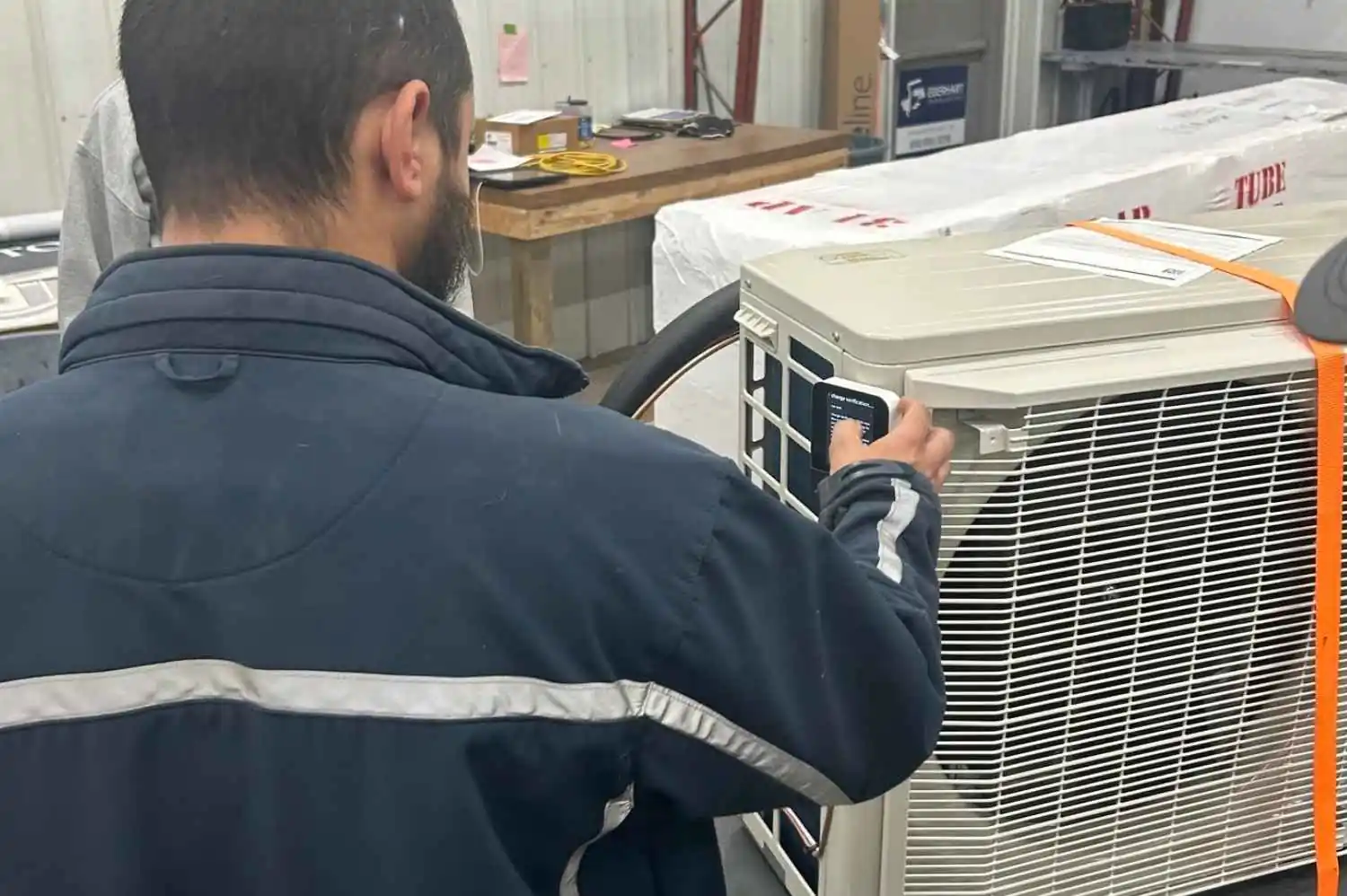
That is one reason I usually encourage homeowners to talk about the house, not just the furnace. The more a contractor understands your day-to-day experience, the more likely they are to make choices that improve real comfort.
Repairs have their place, but they are not always the smart long-term move
There is nothing wrong with Furnace repair when the issue is isolated and the equipment still has solid years ahead of it. Many heating problems can be resolved without jumping straight to replacement. A bad igniter, dirty flame sensor, failed capacitor, or thermostat issue does not automatically mean the whole system is finished.
Still, there comes a point where repeated repairs stop making financial sense. Older systems tend to become less reliable, less efficient, and harder to justify once parts failures start piling up. If the heat exchanger is compromised, if the unit is well past the middle of its expected life, or if major components keep failing, replacement often becomes the more practical path.
The best contractors do not push one answer for every situation. They explain the trade-offs. They tell you what can be repaired, what should be monitored, and when Furnace Replacement is likely to save money and stress over the next several years. That kind of judgment is worth a lot.
The installer's skill affects system lifespan
A furnace is a long-term piece of equipment. With proper maintenance and reasonable operating conditions, many systems last 15 to 20 years, sometimes more. But that lifespan depends heavily on how the system starts its life.
Poor airflow can overheat a furnace and stress the heat exchanger. Improper gas pressure can affect combustion and component wear. Loose electrical connections can lead to nuisance failures. Drainage problems in condensing units can cause shutdowns and corrosion issues. These are not dramatic mistakes in the moment. They are slow problems that shorten the life of the equipment.
A professional install gives the system its best chance to age well. It also makes future maintenance easier. Clean wiring, accessible filters, proper service clearances, and thoughtful layout all matter when the unit needs routine checkups down the road.
This is why good Heating Services tend to pay off quietly. You may not notice every detail on day one, but you will notice fewer problems, steadier comfort, and less frustration season after season.
Questions worth asking before you hire anyone
Homeowners do not need to become HVAC experts, but asking a few grounded questions can reveal a lot about the quality of the company standing in your home.
- How will you determine the right furnace size for my house?
- Will you inspect the ductwork and discuss any airflow concerns?
- What testing do you perform after installation?
- Are permits and code requirements included in the job?
- Who handles warranty labor and follow-up if there is a problem?
Good contractors usually welcome these questions. They have answers ready because they do this work the right way every day. If someone seems annoyed by the basics, or tries to wave off sizing and testing as unnecessary, keep looking.
Real comfort feels boring, and that is a compliment
The best heating systems do not make themselves famous. They do not rattle, roar, or produce wild temperature swings. They do not leave one room stuffy and another chilly. They do not surprise you with ugly utility bills. They just do their job, quietly and consistently.
That kind of performance rarely happens by accident. It comes from professional Heating Installation, careful setup, and a willingness to pay attention to the whole system rather than just the equipment sticker.
If you are planning a new system, comparing Furnace Services, or deciding whether repair or replacement makes more sense, it helps to look beyond the upfront number on the estimate. Ask how the house will be evaluated. Ask how airflow will be handled. Ask what testing is included. Ask who will stand behind the work.
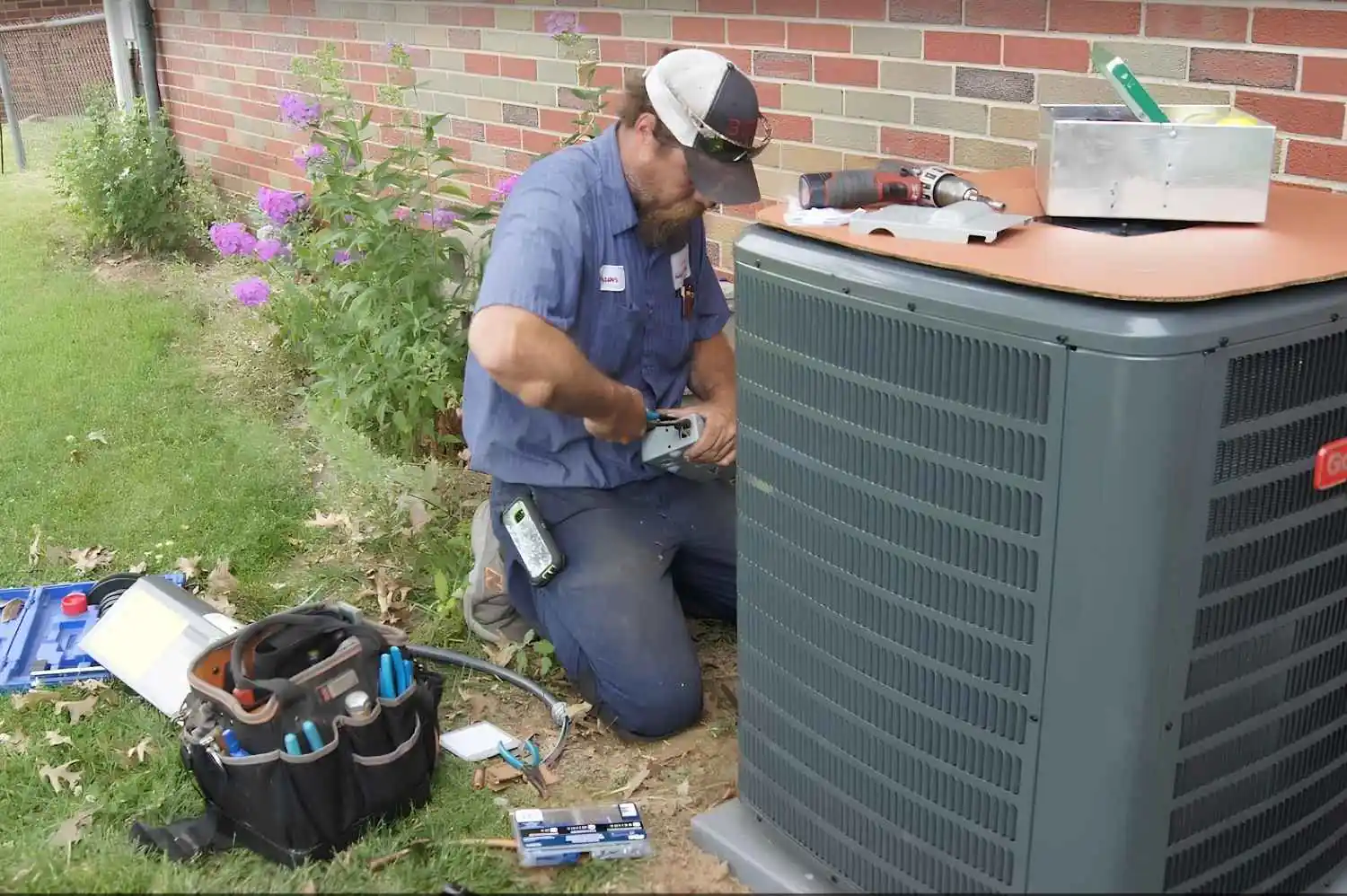
A furnace should heat your home, not create a list of ongoing problems. When it is installed by people who know what they are doing, you feel the difference every cold morning. The house warms up evenly. The system runs the way it should. The energy bills are more reasonable. And you spend a lot less time thinking about your heat at all, which is exactly how it should be.